High stakes in short takes: Micro-drama industry levels up
Unconventional scripts, grounded characters and better aesthetics help sector establish itself as a major new field in content consumption
By Xing Wen | China Daily | Updated: 2026-01-02 08:03


A coldhearted tycoon enters a contractual marriage with a spirited young woman; he starts off by despising her, but eventually falls head over heels in love with her. A tragic protagonist is reborn, and travels back in time to exact revenge. A billionaire conceals his identity, toiling at manual work, while patiently waiting for the right moment to reveal his true self.
For years, these hypercharged tropes, marked by unrealistic romantic fantasies, extreme identity twists, rapid-fire revenge and formulaic power boosts, were the engines of the micro-drama phenomenon. They were engineered for maximum viewer gratification through single episodes that rarely exceeded three minutes.
However, in 2025, the genre's breakout hits tell a different story.
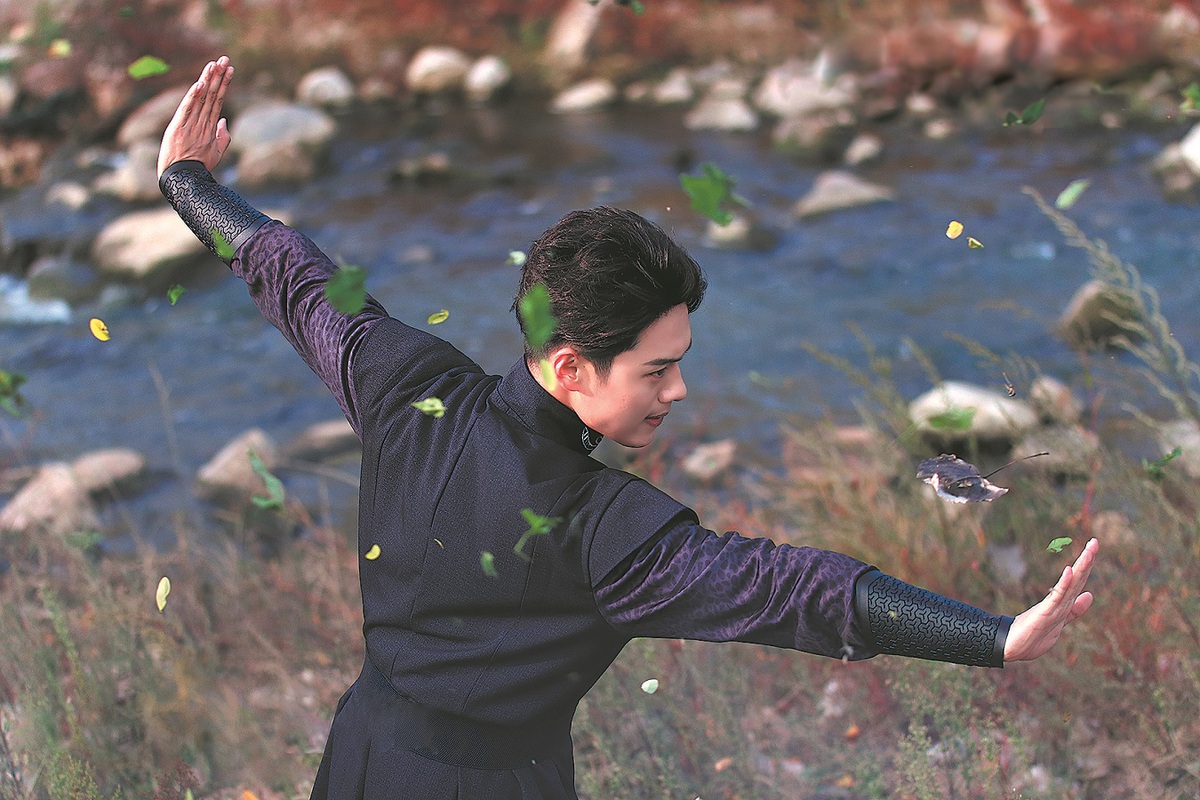
The second season of Jia Li Jia Wai (The Family We Build) set a benchmark for China's micro-drama industry by surpassing 1 billion views within just four days of its early December premiere on Hongguo, a micro-drama platform in China.
Set in the 1980s and performed in authentic Sichuan dialect, this season follows single mother Cai Xiaoyan and widower Chen Haiqing as they blend their families.
It depicts their journey in building a thriving household, steering clear of melodrama, sensational plot twists and flat characters to instead explore genuine struggles, including the trials of launching a business and the delicate dynamics of stepfamily life, all conveyed through the quiet, enduring warmth that holds them together.
"The entire micro-drama industry has made significant strides in both scriptwriting and aesthetic expression," says Zhao Youxiu, chief producer at Heard Island, the production company behind the hit.
As an example, Zhao shares that during the 30-day shoot for Jia Li Jia Wai Season 2, the production team prepared over 800 sets of costumes and more than 1,000 period props to faithfully re-create the era's atmosphere and character authenticity.
"Whether it's a short drama or a long series, we must lean closer to the real lives of ordinary people. Relying on momentary emotional spikes cannot retain audiences for long. But if a series is infused with relatable emotions, or concludes with a surge of nostalgia, the impact is both stronger and lasts longer,"Zhao says.




Editor's Pick