Hormuz shutdown jolts Europe's fuel supply
Oil and LNG shipments stall, costs soar, and divisions widen over power and policy
By ZHANG ZHOUXIANG in Brussels and WANG MINGJIE in London | China Daily Global | Updated: 2026-03-27 10:52


After the strikes the United States and Israel carried out on Iran began on Feb 28, Iran immediately announced it was forbidding the US, Israel, and their military allies from transiting through the Strait of Hormuz and warned they would face retaliatory attacks.
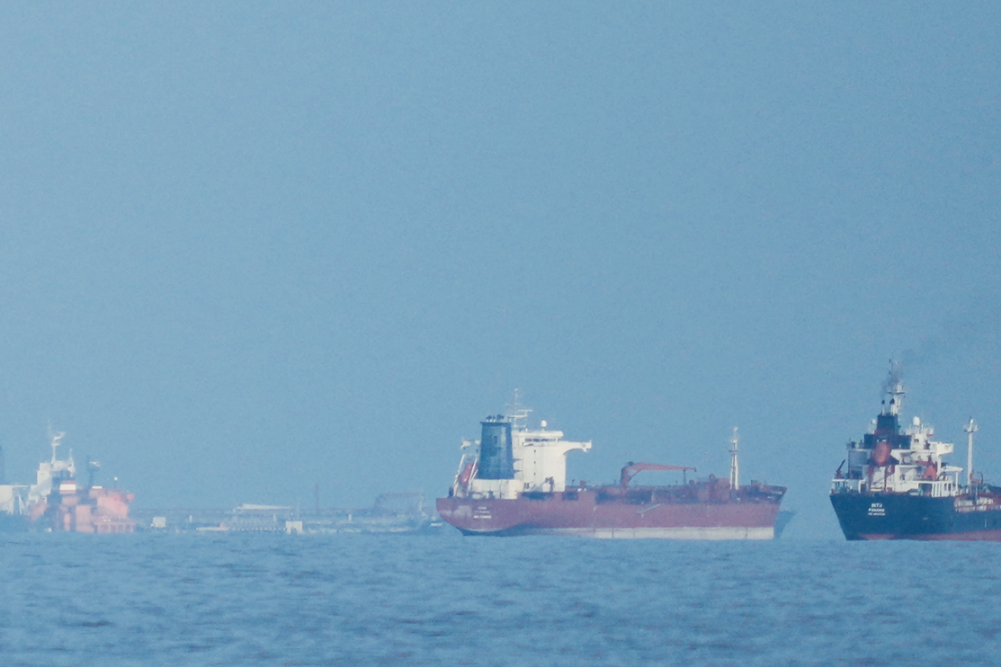
The waterway carrying one-fifth of the world's oil remains effectively closed due to the ongoing conflict, driving up energy prices and raising concerns in Europe, which had already been hit hard by disruptions to oil supplies caused by the Russia-Ukraine conflict.
By mid-March, average Euro95 standard-grade gasoline prices had risen in several European Union countries, with prices in Belgium moving from 1.54 euros per liter to 1.64 euros, in France from 1.71 euros to 1.80 euros, and in Germany from 1.90 euros to more than 2 euros.
Although the conflict is taking place some 4,000 kilometers away from Europe, its impact has been felt across the continent. European tourists, following instructions from their embassies, have been forced to evacuate; numerous flights from Europe to Asia have been rerouted to avoid the conflict in the Middle East; and, most significantly, a deepening energy crisis has spread across Europe, placing pressure on European societies and imposing costs they should not have had to bear.
Now, almost one month into the conflict and consequential closure of the Strait of Hormuz, different parties have used varying terms to describe its status, but ship traffic and crude volumes tell the real story.
According to Hormuzstraitmonitor, a website that provides real-time tracking of ships transiting the strait, the number of vessels fell to just eight on March 18 and has remained in single digits for an extended period. For comparison, an average of 77 ships passed through each day before the strike.
Data from maritime analytics firm Windward showed that March 14 marked a historic moment as the number of vessels transiting the Strait of Hormuz dropped to zero for the first time since the conflict began.
Those missing ships previously carried about 21 million barrels a day of oil and petroleum products out of the Persian Gulf, a significant share bound for Europe's fuel stations, chemical plants, and power generators.
With the closure of the Strait of Hormuz, oil and liquid natural gas, or LNG, long expected by European buyers can no longer reach their destinations, driving up fuel prices across the continent.
"It's terrible," said George, a taxi driver in Brussels. "In the past I could cover the cost of a full tank in six or eight trips, but now I need one or two more. I have five children to feed. Why should a war in the Middle East cost me money?"
On March 19, French shipping group CMA CGM announced it would introduce a fuel surcharge on land transport the following week, after already adding surcharges on sea routes due to higher fuel costs linked to the Middle East conflict.
As early as March 4, the United Kingdom's National Institute of Economic and Social Research warned that interest rates could be pushed back above 4 percent if the US-Israel-Iran conflict leads to a sustained surge in oil and gas prices.
On March 19, experts at the European Central Bank were reported to expect eurozone inflation to rise to 2.6 percent in 2026, up from a 1.9 percent estimate in December 2025.
Fatih Birol, head of the International Energy Agency, or IEA, said on Monday that the crisis in the Middle East has had a worse combined impact than the two oil shocks of the 1970s and the effect on gas markets of the Ukraine crisis.
"Some of the vital arteries of the global economy, such as petrochemicals, fertilizers, sulfur, helium — their trade is all interrupted, which would have serious consequences for the global economy," Birol said.






Editor's Pick