Calls grow for cooperation on AI safety guardrails
By LIA ZHU in San Francisco | China Daily Global | Updated: 2026-04-17 09:21


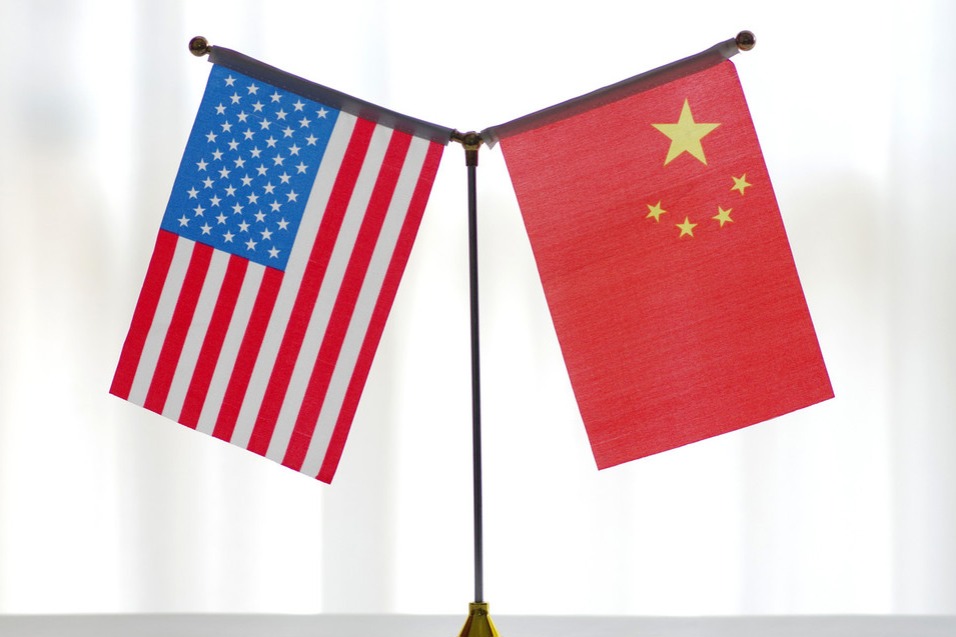
As artificial intelligence transforms industries, experts are urging the United States and China to move beyond rivalry and work together to establish common safety standards and ethical guardrails — a collaboration they say would benefit not just the two countries, but the entire world.
The call comes amid intensifying debate over AI regulation and growing concern that a fragmented, zero-sum approach to the technology could leave everyone worse off.
Nand Mulchandani, a Silicon Valley-based entrepreneur whose startups have been acquired by major technology companies including Oracle, VMware and Cisco, argued that uniform industry standards are critical for AI to scale effectively and deliver benefits.
"I think it benefits everybody to have a uniform set of standards, because it gives every country the ability to utilize and benefit from the commoditization and scale of technology, systems and products," Mulchandani told China Daily at the recent HumanX conference in San Francisco.
Drawing on the history of telecommunications, he pointed to mobile roaming as a model for what interoperable standards can achieve.
"It's because we have certain protocols and technology standards that have been set that we have roaming. It's a benefit to consumers to have a uniform set of technology that just works everywhere," he said.
The internet, Mulchandani added, demonstrated how open, flat architectures can benefit all participants. A world in which the United States and China pursue incompatible AI standards would represent a collective failure. "That would be a lose-lose situation for everyone," he said.
At the same time, he acknowledged the tension between national interest and global cooperation. "The US and China need to figure out what the balance is between the competitive dynamics and the cooperative dynamics, and they will find areas of cooperation, and they will find areas of competition," Mulchandani said.
His comments echo similar calls made by a group of researchers who have urged "the world's two leading AI superpowers" to abandon what they called "zero-sum thinking" and instead collaborate on AI guardrails. Writing in a commentary published by the Brookings Institution in June, they cautioned that fixating on national advantage misses the larger picture.
Donald Lewis, a nonresident fellow at the Center for China and Globalization, said the structural foundations for meaningful cooperation are already in place, even as broader diplomatic tensions persist.
"I think there are very substantial prospects for US-China collaboration in AI development over the next several years, if not decades," Lewis told China Daily.
Lewis pointed to Silicon Valley's long history of engagement with Chinese technology companies as a foundation to build on, and highlighted AI-driven energy collaboration as a particularly promising frontier.
"The US and China are the primary global competitors in the rapidly developing AI universe, with other countries lagging far behind," he said. "AI should be the next chapter in this very fruitful cooperation."








Editor's Pick